

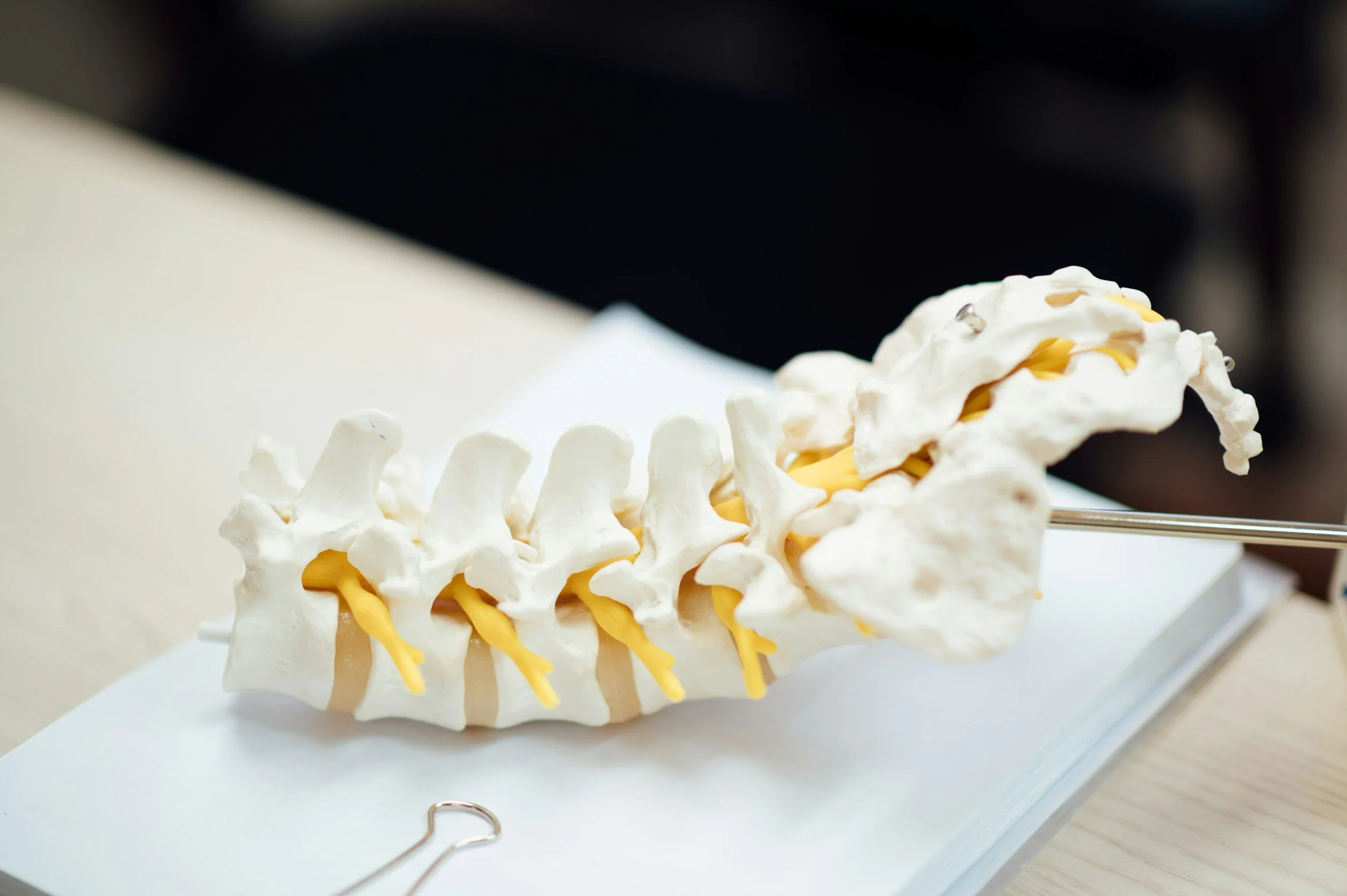
Understanding Back Pain
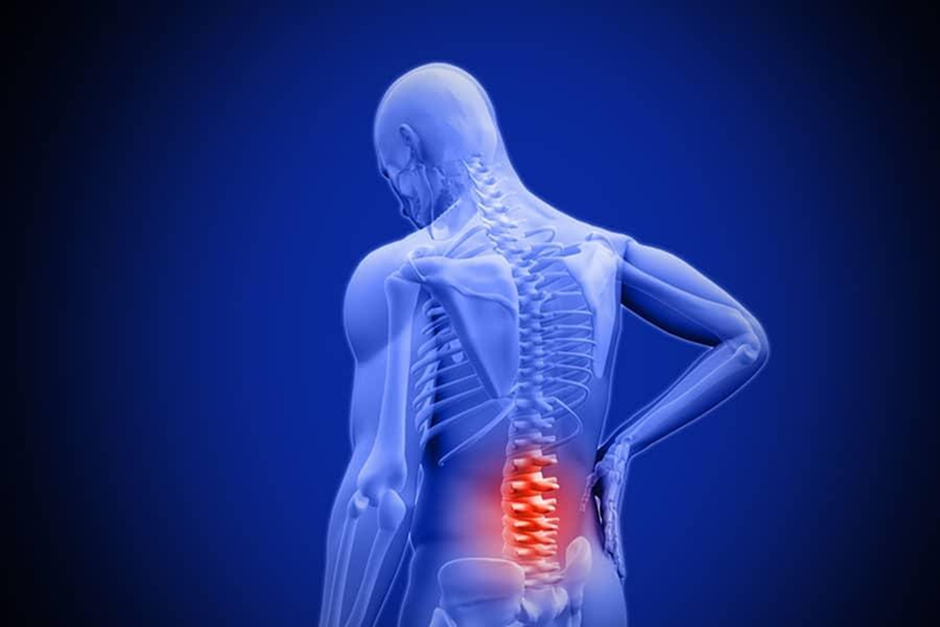
Low back pain is the leading cause of disability worldwide, and nearly 80% of people will experience it at least once in their lifetime. People with a history of low back pain are more likely to experience it again later on in life. Back pain remains to be the most understood conditions in healthcare, despite how common it is.
Back pain does not belong to a singular medical specialty, unlike heart conditions or neurological disorders. Primary care physicians, chiropractors, physical therapists, orthopedists, and chronic pain management providers may all treat it, sometimes simultaneously. It is difficult to navigate which specialists will be able to help you the fastest, however, most people respond well to movement based treatment with functional goals.
At Rehab Chiro in Wheaton, and the surrounding Northwest Suburbs, we prioritize evidence-based protocols with a sports medicine lens that establishes where you are at, how we meet you there, and how we can excel you forward.
common causes of back pain
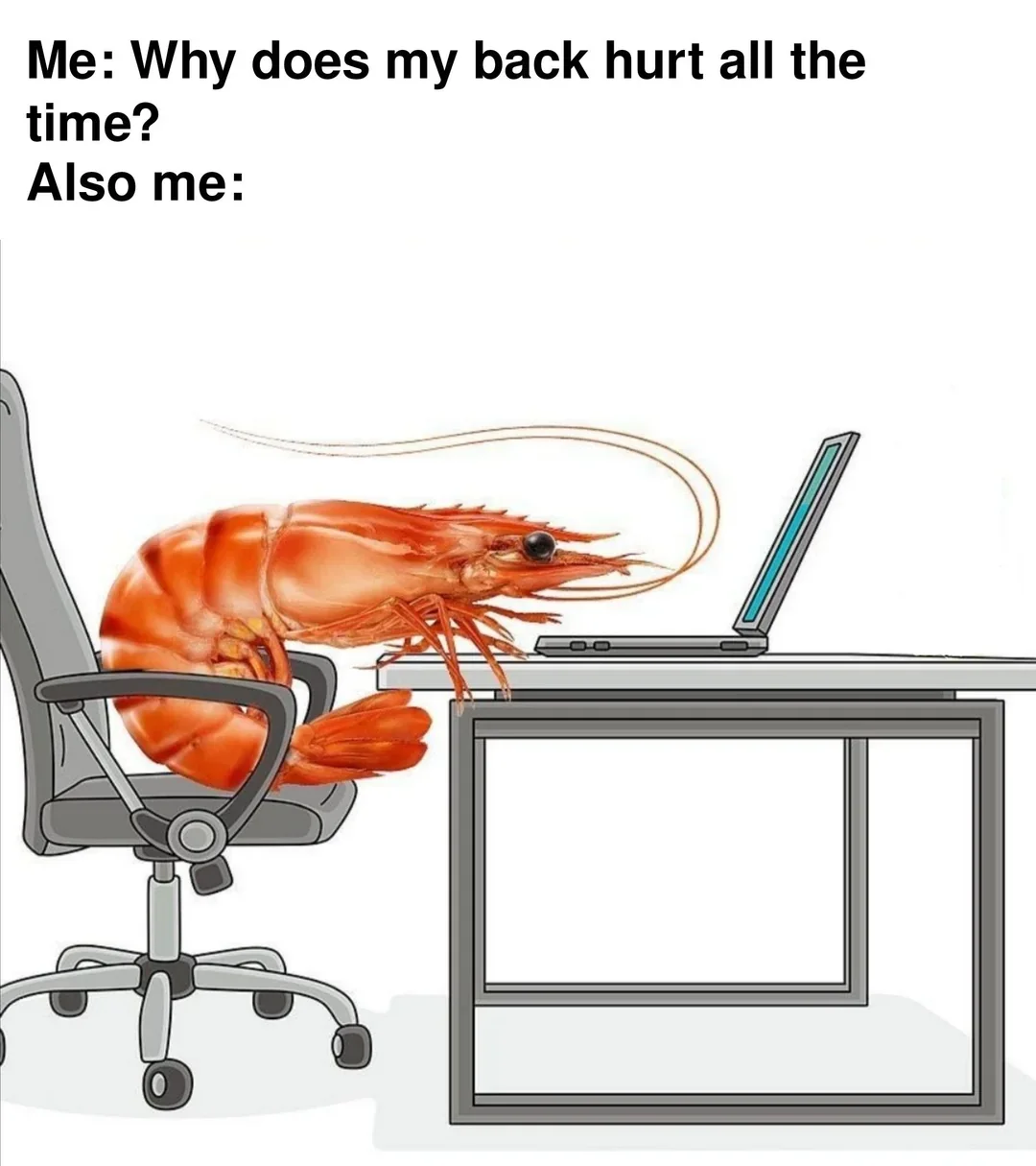
Structural conditions that may contribute to low back pain are herniated discs, scoliosis, arthritis, and pinched nerves. However, mechanical and nonspecific disorders account for most presentations across all age groups. These generally are caused by a sensitivity of the muscles, nerves, and joints due to repetitive strain.
Movements like bending and lifting 6 bags of mulch adding up to 200lbs when you haven’t even gone to the gym in weeks or months to prepare your muscles for that movement are a few examples of causes of low back pain. Another example of an activity that could contribute to the pain is swinging a golf club, high volume with high load, or sitting for an extended period of time. If ignored, these mechanical ( pain that changes with movement, posture, or activity, and they often result from overuse, injury, or degenerative stress.
x-rays aren’t mandatory at Rehab chiro. here’s why..
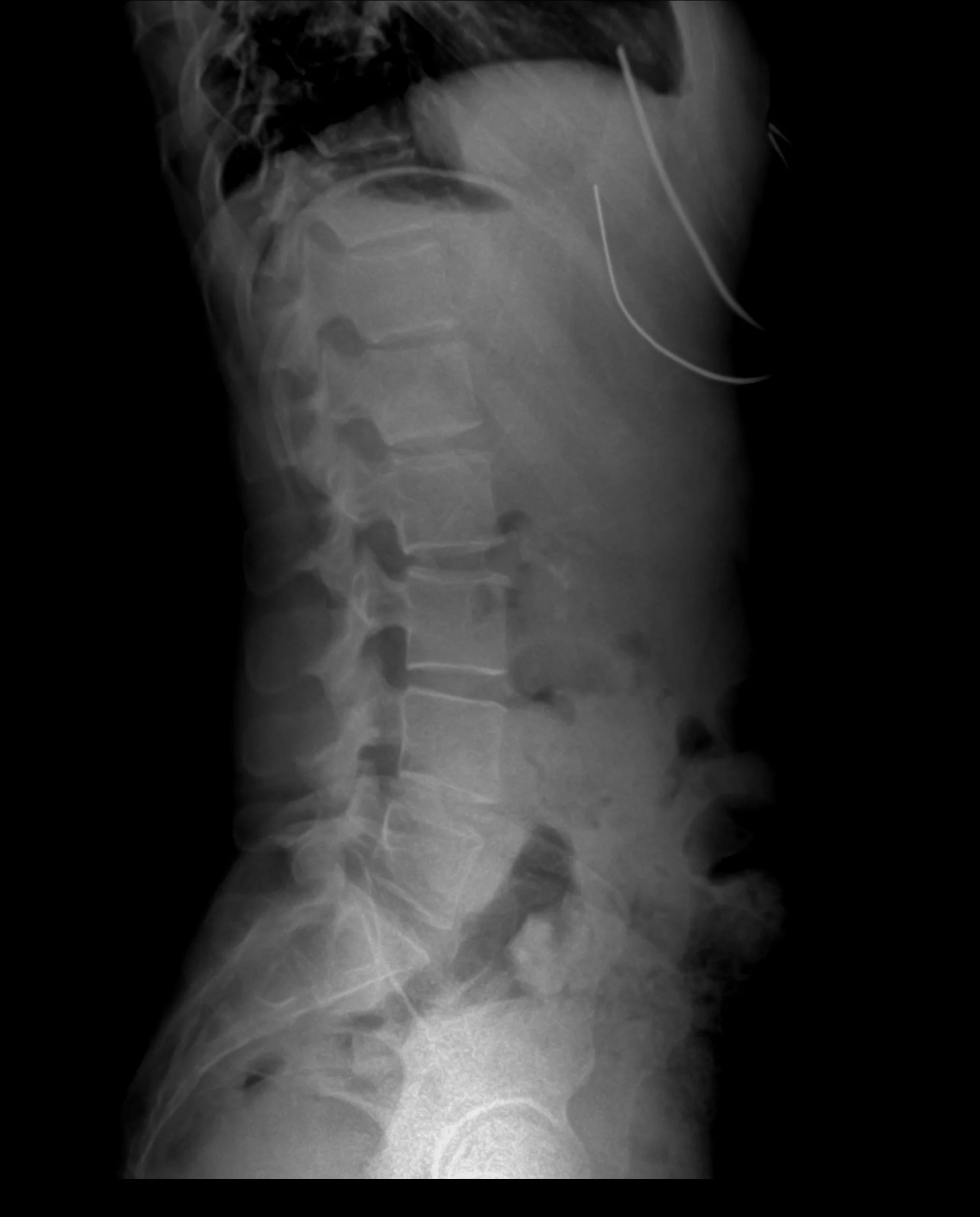
Imaging are valuable tools when used safely and effectively for patients. However, imaging patients too early can:
Expose patients to unnecessary radiation
Create fear around normal age-related changes
Lead to treatments that don’t address a movement based solution for a movement based problem
According to the American Academy of Family Physicians, immediate x-rays are only necessary if you experience “red flag” symptoms:
Recent trauma (car accident, fall, or sudden unplanned injury)
Neurological conditions (worsening numbness, tingling, or weakness)
Suspected Serious Conditions (history of cancer, unexplained weight loss, fever, or drug use)
Persistent pain (no improvement in pain after 4-8 weeks of conservative care)
Age Factors (under 18, over 50 years old)

Treatment options for back pain
Back pain is on a spectrum with one end of conservative care landing on chiropractors and physios. On the other end there are surgeons and orthopedists trained in musculoskeletal low back pain.
90% of low back pain cases respond to conservative care. With that being said, only ~1% of cases need advanced imaging, surgery, or injections with those cases typically identifiable early on and referred to a specialist accordingly.
What Sets Us Apart
Sports Medicine
Identify the driver of pain whether that is mechanical or not and collaborate care with the athletes other healthcare providers. Treatment includes but is not limited to chiropractic adjustments, dry needling, soft tissue mobilization, joint mobilization, functional movement screenings, and rehabilitative exercise.
Evidence-based chiropractic care
Trained to manage both acute and chronic low back pain, guide patients safely through the phases of recover, and screen for conditions that require advanced imaging or referall.
Movement science
Educate, guide, and get patients back into confidently moving